A temporary lifeline or a more general temporary anchor is a removable fall protection system that allows operators to work safely at height, on rooftops, scaffolding, balconies, and other elevated surfaces, without requiring a permanent anchoring installation. In italy, the reference legislation for these devices is governed by the general safety requirements (RGS) provided for by Law 81/2008.
It is the go-to solution wherever a permanent system cannot be installed: fast to set up, easy to remove after use, and fully compliant with the safety framework required by law.
Not sure whether a temporary or permanent lifeline is right for your site? Get a free expert assessment.
CONTACT USThe “Are You Safe?” service is a professional analysis of safety conditions for all activities involving the risk of falling from height, working at height, and confined space interventions. A specialized technician carries out a dedicated site inspection to assess the condition of the work environment, operational procedures, and prevention measures adopted, providing a confidential report exclusively for the company management.
REQUEST A CONSULTATIONBefore installing a temporary lifeline, three structural factors must be assessed:
Temporary lifelines must not be installed on rough or uneven surfaces, as this increases the risk of accidents during use.
The reference standards for temporary lifelines are:
Under this framework, lifelines must be designed and manufactured by qualified personnel, inspected periodically — at least once a year — by a competent professional, and removed after each use. A visual check for signs of wear or damage is mandatory before every deployment.
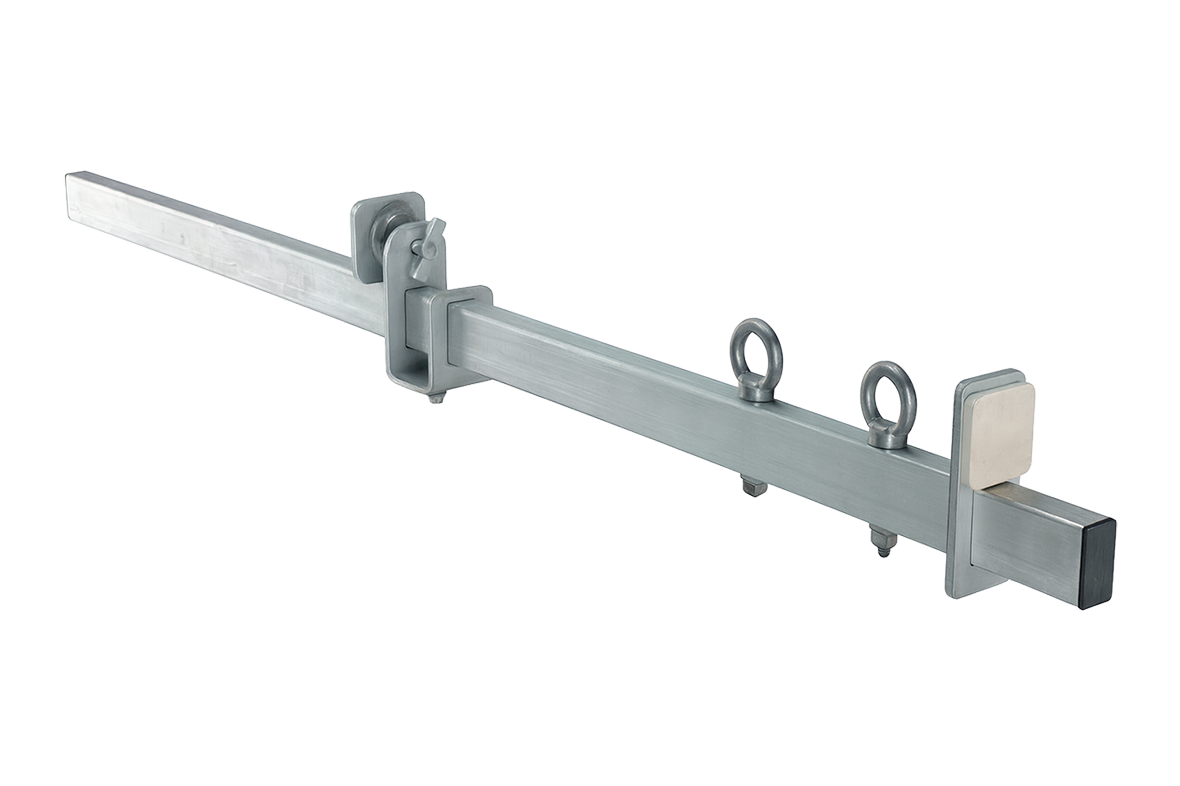
Choosing the right certified device is as important as knowing the regulations. The following products are designed specifically for temporary anchorage in conditions where permanent systems are not feasible, each compliant with EN 795:2012 Type B and CEN/TS 16415:2013, certified for use by up to two operators simultaneously.
The lifeline system alone does not constitute complete protection. Operators must also wear a full-body harness with dorsal attachment point (D-ring), an energy-absorbing lanyard, and a protective helmet. In some configurations, retractable devices or fall arresters may be required depending on the route and the nature of the work.
Temporary lifelines and anchors must be maintained periodically and audited to ensure they are in good condition. The maintenance and verification requirements for temporary lifelines are regulated by PPE regulation.
According to the legislation, lifelines must be subject to periodic verification by qualified personnel at least once a year. During this audit, lifeline components should be inspected for damage, wear, or corrosion. If necessary, qualified personnel can also test the lifelines with dynamic and static tests to ensure that they can withstand the expected load and any other accidental load that may occur during their use.
In addition, other general requirements are available that must be met in order for temporary lifelines to be considered suitable for use in construction work.
The appropriate temporary lifeline or anchor device depends on the access point available, the structural characteristics of the building, the number of operators, and the nature of the work. If you are unsure which system is appropriate for your specific situation, consulting a qualified professional before installation is not just advisable — it is a regulatory requirement.
Need help designing a compliant temporary fall protection system? Contact a specialist for a tailored assessment.
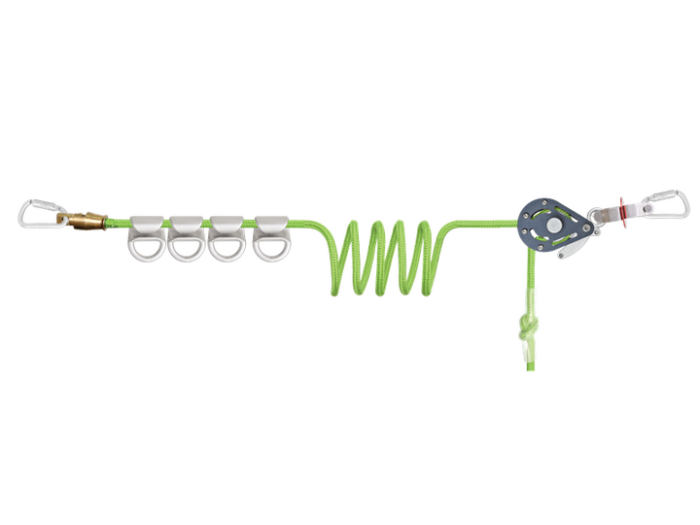
Certificata EN 795 tipo B e CEN/TS 16415. Ideale per cantieri di grandi dimensioni con più operatori in contemporanea.
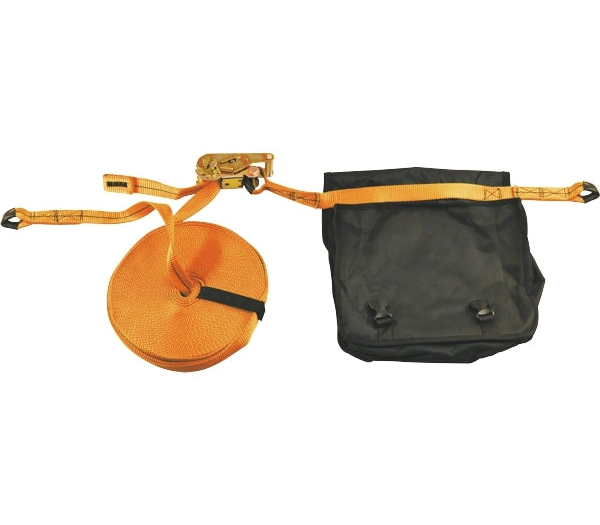
30 mm high-visibility polyester webbing. Built-in tensioner for easy installation, even by a single person. Maximum span: 20 m.
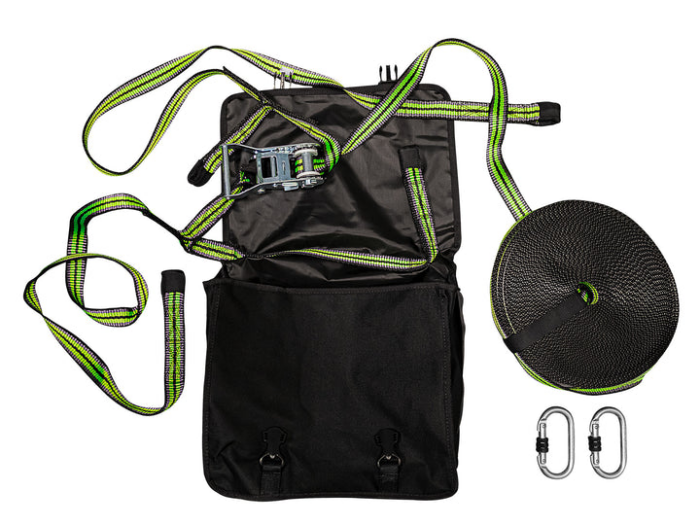
A versatile solution for two-person jobs. 20-meter span, suitable for both flat and sloped roofs.
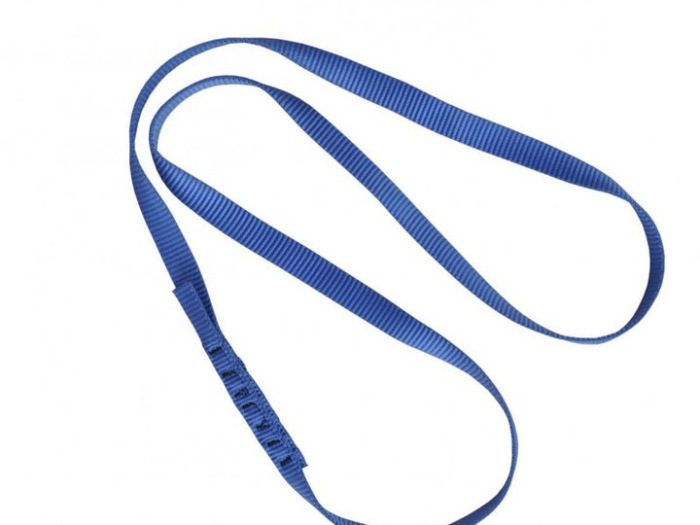
CE-certified accessory for attaching a lifeline to existing structural elements (beams, ridges, guardrails).
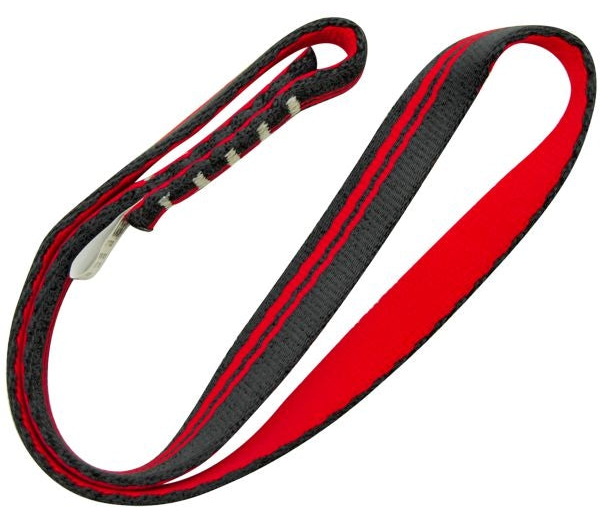
Tubular ring for connecting components of a fall-arrest system. High strength, lightweight, and durable.
.
CONTACT US