In any environment where work at height is necessary, ensuring the safety of personnel is a top priority. This is where lifeline systems, also known as safety line systems, play a critical role. Essentially, a lifeline system is a personal fall arrest system (PFAS) designed to provide a continuous anchorage point for workers, preventing falls or arresting them safely should one occur.
These vital fall protection systems are engineered solutions that integrate various components—such as anchor points, ropes, cables, and connectors—to create a secure pathway or work area for individuals operating in elevated positions.
At Spider, we are dedicated to providing the most reliable and efficient lifeline systems for all your fall protection needs.
Discover our full range of fall arrest solutions and ensure maximum safety on site. [Discover now]
Horizontal lifeline systems are specifically designed for environments where workers need to move horizontally across an elevated area, such as rooftops, crane runways, or aircraft wings.
These systems provide uninterrupted fall protection along a designated path, allowing workers freedom of movement while remaining securely connected. The backbone of a horizontal fall protection system is a cable or rope stretched between two or more anchor points, to which workers attach their personal protective equipment (PPE), like a lanyard and harness.
Functionality of horizontal fall protection systems
A horizontal life line functions by distributing the force of a fall across the entire system, significantly reducing the impact on the individual. When a fall occurs, the system is designed to deform, absorbing kinetic energy and preventing the worker from hitting the ground or a lower level.
This makes them indispensable horizontal fall arrest systems in many industrial and construction settings. The design considers factors like span length, number of users, and potential fall distances to ensure optimal safety.
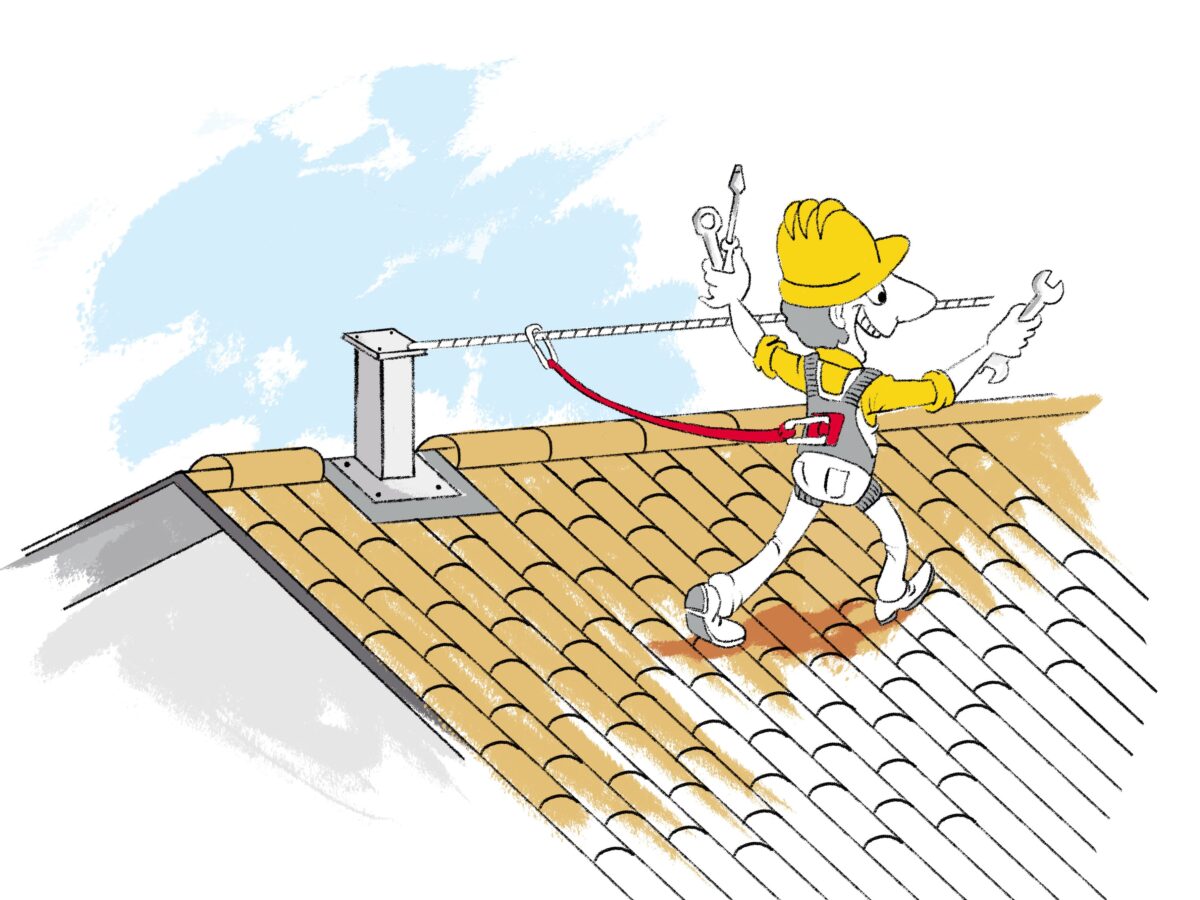
Continuous protection: allows workers to traverse extended lengths without disconnecting, maintaining constant horizontal fall protection.
The versatility of horizontal fall protection systems makes them suitable for a wide array of applications, including:
Explore our horizontal lifeline solutions tailored for your specific industry. [Discover our solutions]
Vertical lifeline systems are essential for providing safe access up and down elevated structures such as ladders, masts, towers, and confined spaces. Unlike horizontal systems, a vertical lifeline is designed for linear movement along a vertical plane, offering continuous fall protection for workers ascending or descending. These systems typically consist of a rigid rail or a flexible cable running vertically, equipped with a mobile fall arrester that automatically locks onto the line in the event of a fall.
The core function of a vertical life line is to prevent a worker from free-falling if they lose their footing or grip. The mobile fall arrester travels with the worker and, upon sensing a sudden downward acceleration (a fall), immediately engages with the lifeline, arresting the fall. This critical component ensures that the fall distance and impact forces are minimized, enhancing the safety of any vertical fall arrest system.
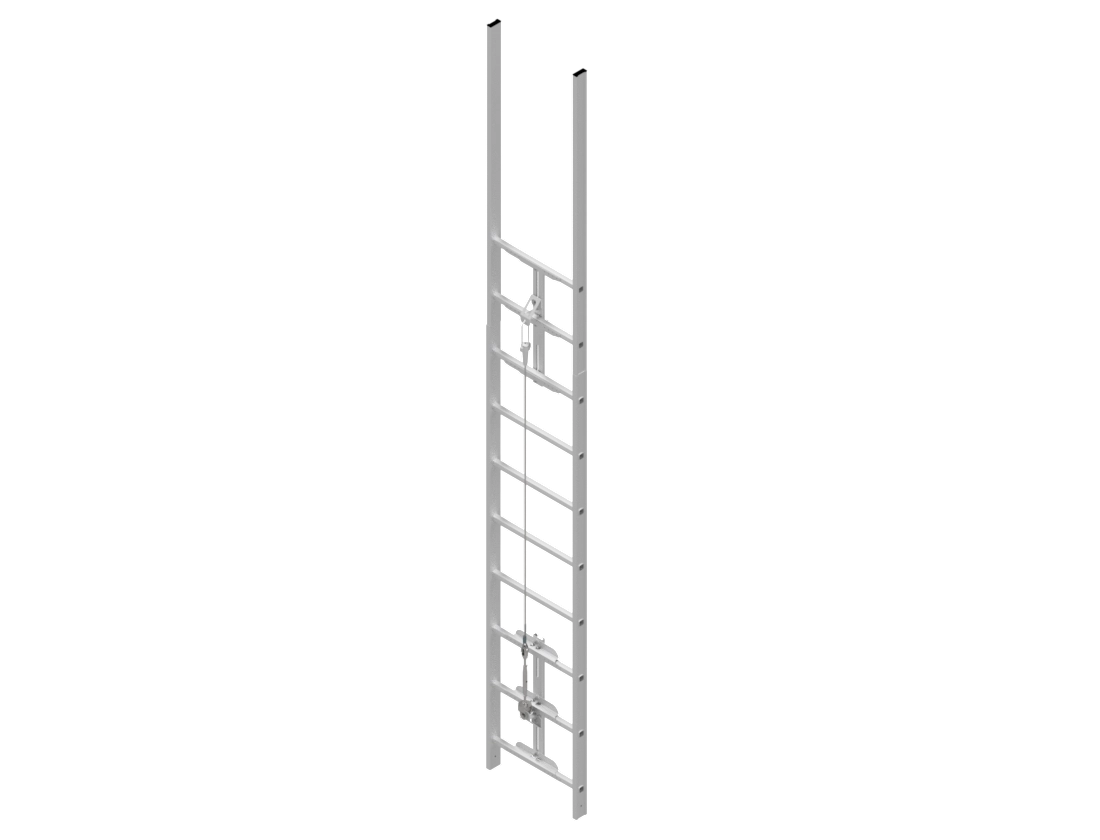
Vertical lifeline systems are indispensable in various industries, including:
Improve vertical access safety with our advanced lifeline system solutions. [Go to our dedicated page]
choosing between a horizontal lifeline system and a vertical lifeline system depends entirely on the specific work environment and movement requirements. Here’s a breakdown of their key differences:
| Feature | Horizontal Lifeline System | Vertical Lifeline System |
| Movement | primarily allows side-to-side (horizontal) movement. | primarily allows up-and-down (vertical) movement. |
| Anchorage | requires two or more anchor points along a horizontal plane. | requires anchor points at the top and/or bottom of a vertical path. |
| Components | cable/rope, tensioners, energy absorbers, intermediate supports. | rigid rail or flexible cable, mobile fall arrester. |
| Applications | rooftops, bridge decks, loading bays, crane rails. | ladders, masts, towers, confined space access. |
| Compliance | typically en 795 type C (flexible) or type d (rigid rail systems). | typically en 353-1 (rigid) or en 353-2 (flexible). |
| Energy Absorber | often integrated into the system to manage fall forces. | fall arrester typically incorporates energy absorption. |
Need help deciding? Contact our experts for a personalised lifeline system assessment.
[Contact us]
Our lifeline systems are engineered to offer superior performance, durability, and ease of use, ensuring maximum safety for your workforce. We integrate cutting-edge technology and robust materials to provide fall protection systems that you can trust.





See how next-generation fall protection works in real conditions. In this video, you’ll discover Sigrit® – the cutting-edge system by Spider Group® designed to enhance safety when working at heights, with over 500 installations in different industries.
Through real use cases, the video shows how Sigrit® continuously monitors lifeline systems and access points, ensuring correct connection, detecting improper use, and providing real-time information in case of an emergency. You’ll also see Sigrit Lock® in action: the integrated access control solution for rooftops and confined spaces that uses radiofrequency badges to allow only qualified personnel to enter and keeps a complete digital access history.
Watch the video to experience how Sigrit® 4.0 connects devices, alerts relevant parties instantly in the event of a fall or failure to connect, and distributes critical data via SMS, phone, email, or external operation centers. It’s a concrete look at how modern lifeline systems can raise safety standards and make working at heights more controlled, traceable, and secure.
Visit our video library for more demonstrations and safety tips on lifeline installation and usage.
[Go to our channel]
Lifeline systems can be broadly categorised into two main types based on their permanence and portability: fixed and mobile (or temporary) systems. Each type serves distinct purposes and is designed for different operational scenarios, offering versatile fall protection.
Fixed lifeline systems are permanently installed on structures where regular work at height is anticipated. These systems become an integral part of the building or facility, offering a long-term fall arrest solution. They are ideal for:
The permanence of these lifeline systems ensures constant readiness and reduces setup time for recurring tasks. They are engineered for durability and often require minimal regular adjustment after initial lifeline installation.
Mobile or temporary horizontal or vertical lifeline systems are designed for short-term projects or situations where a permanent solution is not feasible or necessary. These systems are portable, can be quickly set up and dismantled, and then moved to another location. They are perfect for:
Temporary lifeline systems provide essential flexibility, allowing workers to establish a safe work zone wherever and whenever it’s needed, making them crucial components for dynamic work environments.
Discuss your project requirements with our experts to determine the ideal fixed or temporary lifeline system for your site.
[Contact us]
The need for effective lifeline systems transcends a single industry; they are crucial in any sector where workers face the risk of falls from height. Our fall protection solutions are designed to meet the diverse challenges presented by various industrial and commercial environments.
We provide tailored safety line systems for a multitude of sectors, including:
Each sector has unique safety requirements, and our expertise ensures that your lifeline system is perfectly suited to your operational needs.
Adherence to national and international safety regulations is not just a legal obligation; it’s a fundamental commitment to worker safety. In the UK, lifeline systems and all fall protection systems must comply with stringent legislation and standards.
Key regulations and standards include:
It is crucial that all lifeline installation and maintenance are carried out in strict accordance with these guidelines to ensure legal compliance and, most importantly, the safety of your workforce. Regular inspections and certifications are mandatory to uphold the integrity of your fall arrest system.
The classification of lifeline systems defines the requirements that each system must meet in order to be correctly marked, as well as the relevant test methods and their corresponding configurations. The classification divides devices according to the following classes:
At Spider, we offer an end-to-end service for lifeline systems, ensuring that you receive a solution that is perfectly tailored to your specific needs and compliant with all relevant regulations. our expertise covers every stage, from initial concept to final sign-off.
Our team of qualified engineers begins by conducting a thorough site assessment, analysing potential fall hazards and structural considerations. We then design a bespoke lifeline system using advanced cad software, ensuring optimal coverage, minimal visual impact, and full compliance. Whether it’s a complex horizontal lifeline system for a challenging rooftop or a precise vertical lifeline system for confined space access, our designs prioritise both safety and functionality.
Following the design phase, our certified and highly experienced technicians perform the lifeline installation. We adhere to the strictest safety protocols and industry best practices, ensuring that every anchor point, cable, and component is installed with precision and integrity. Our team is proficient in installing both fixed and temporary horizontal lifeline systems, guaranteeing a robust and reliable fall protection solution that will stand the test of time.
Partner with us for expert lifeline system design and installation services.
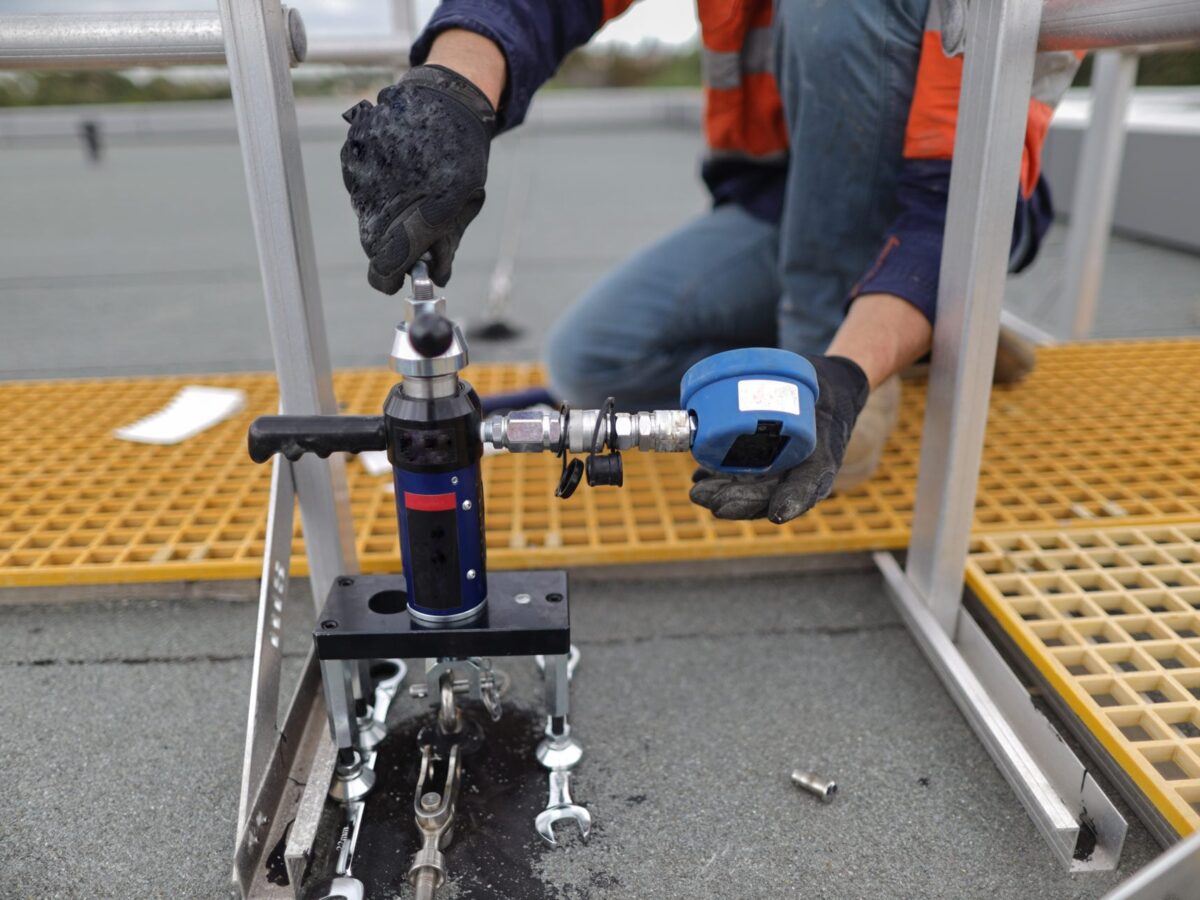
The longevity and effectiveness of any fall protection system, including lifeline systems, depend heavily on regular and diligent maintenance. A well-maintained safety line system provides continuous, reliable protection, whereas neglect can compromise its integrity and put lives at risk.
Our comprehensive maintenance services include:
Investing in professional lifeline system maintenance is an investment in the safety of your workforce and the peace of mind that comes with knowing your fall arrest system is always in optimal condition.
Schedule your lifeline system inspection and maintenance today to ensure ongoing compliance and safety.
Lifeline systems should undergo a thorough inspection by a competent person at least once every 12 months, or more frequently if exposed to harsh conditions or after a fall incident. Intermediate checks by users before each use are also critical to ensure the integrity of the safety line.
Yes, many horizontal lifeline systems are designed and certified for multiple users. However, it is absolutely crucial to verify the specific system’s rating and the manufacturer’s guidelines for the maximum number of simultaneous users to ensure safe operation and compliance with fall protection standards.
The lifespan of a lifeline system varies depending on the materials, environmental exposure, usage frequency, and maintenance regime. Generally, well-maintained systems can last for many years (e.g., 10-20 years for stainless steel systems), but components like cables or energy absorbers may require periodic replacement based on inspections and manufacturer recommendations.
When correctly installed and used according to manufacturer guidelines, temporary horizontal lifeline systems are just as safe and effective as fixed systems for their intended purpose. The key difference lies in their portability and duration of use. Both types must meet the same stringent safety standards for fall arrest systems.
A lifeline system is a personal fall arrest system that connects directly to a worker’s harness, preventing or arresting a fall. A safety net is a collective fall protection measure that catches multiple falling individuals or objects. While both offer fall protection, they serve different primary functions and are used in different contexts.
Have more questions? Contact our safety experts for detailed answers and tailored advice on lifeline installation and usage.
[Contact us]