Nel 2026 il mercato della sicurezza in quota subirà una trasformazione profonda: i sistemi anticaduta per tetti non saranno più percepiti come un semplice obbligo normativo, ma come uno strumento di gestione del rischio civile e penale e un asset strategico dell’immobile.
Nonostante la riduzione complessiva degli infortuni, il settore delle costruzioni resta tra i più letali. Le cadute dall’alto rappresentano ancora la prima causa di morte nei lavori in quota, con una concentrazione significativa su tetti e coperture. Questo ha spinto normativa, giurisprudenza e prassi tecniche verso un approccio più rigoroso: non basta installare una linea vita, serve un sistema progettato, documentato, verificabile e manutenuto nel tempo.
Il riferimento principale è il D.Lgs. 81/08 (fonte: Ispettorato del Lavoro), in particolare:
Il principio cardine è la gerarchia delle misure di sicurezza:
La progettazione di un sistema anticaduta deve quindi partire da un’analisi delle condizioni operative e dei vincoli dell’edificio o dell’impianto, individuando le soluzioni tecnicamente più idonee per garantire la sicurezza degli operatori.
In questo contesto, le linee vita e i sistemi di ancoraggio rappresentano strumenti fondamentali e pienamente previsti dalla normativa per assicurare la protezione contro il rischio di caduta dall’alto.

Il riferimento principale è il D.Lgs. 81/08 (fonte: Ispettorato del Lavoro), in particolare:
Il principio cardine è la gerarchia delle misure di sicurezza:
La progettazione di un sistema anticaduta deve quindi partire da un’analisi delle condizioni operative e dei vincoli dell’edificio o dell’impianto, individuando le soluzioni tecnicamente più idonee per garantire la sicurezza degli operatori.
In questo contesto, le linee vita e i sistemi di ancoraggio rappresentano strumenti fondamentali e pienamente previsti dalla normativa per assicurare la protezione contro il rischio di caduta dall’alto.
L’accesso al tetto è parte integrante del sistema di sicurezza. La normativa richiede che scale fisse e percorsi di accesso siano progettati considerando:
È fondamentale che sia la fase di accesso che la fase di lavoro in quota siano adeguatamente protette. La messa in sicurezza degli accessi può essere realizzata attraverso diverse soluzioni tecniche, tra cui scale protette mediante gabbia anticaduta oppure scale dotate di sistemi anticaduta guidati su supporto rigido o flessibile.
La scelta della soluzione più idonea deve derivare da una valutazione delle condizioni operative, delle caratteristiche dell’opera e delle modalità di utilizzo previste, con l’obiettivo di garantire un livello di protezione adeguato in ogni fase dell’attività.
Un sistema anticaduta a norma deve rispettare un insieme coerente di standard tecnici:
Fonte: UNI (Ente Italiano di Normazione)
Queste norme chiariscono un punto fondamentale: la sicurezza non è solo il prodotto, ma un processo.
Richiedi una valutazione tecnica della tua copertura Scopri quali soluzioni anticaduta sono realmente necessarie e conformi alla normativa.Utilizzati per:
Indicati quando è possibile lavorare in trattenuta o posizionamento, riducendo il rischio di caduta.
La soluzione più diffusa su coperture civili e industriali.
Caratteristiche principali:
Scelte tipicamente in ambito industriale.
Vantaggi:
La scelta dipende sempre da valutazione del rischio, frequenza d’uso e possibilità di soccorso.
In molti casi rappresentano la soluzione primaria prevista dalla normativa.
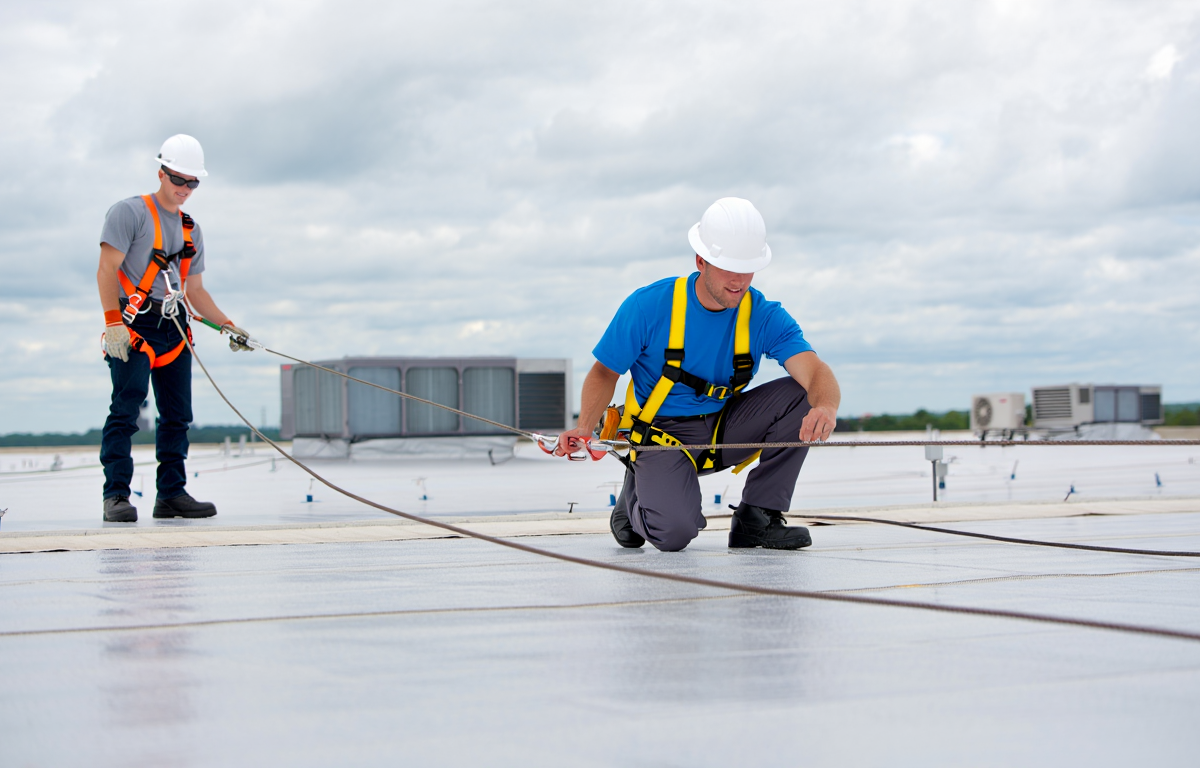
La realizzazione di un sistema anticaduta efficace non si esaurisce nell’installazione di una linea vita, ma richiede un percorso tecnico strutturato che accompagna l’edificio lungo tutto il ciclo di vita della sicurezza in quota. Il processo inizia con un sopralluogo tecnico e l’analisi della copertura, degli accessi e delle criticità strutturali, prosegue con la valutazione del rischio legata alle modalità di utilizzo del tetto e alla frequenza degli interventi, e porta alla definizione della strategia di sicurezza più idonea, applicando la gerarchia prevista dal D.Lgs. 81/08.
Su queste basi viene sviluppata la progettazione del sistema, supportata da verifiche tecniche e, quando necessario, da relazioni di calcolo. L’installazione deve essere eseguita da personale qualificato e seguita da collaudo e verifiche finali, con la consegna dell’Elaborato Tecnico della Copertura completo. Il ciclo si conclude con la manutenzione e le verifiche periodiche, indispensabili per garantire nel tempo la conformità normativa e l’effettiva sicurezza degli operatori.

Applicazione concreta della gerarchia:
Elemento centrale per la responsabilità legale.
Include:
Un sistema anticaduta realmente efficace richiede competenze integrate e coordinate, in grado di coprire tutte le fasi del ciclo di vita dell’impianto, dalla progettazione alla gestione nel tempo:
Affidarsi a semplici fornitori di materiale, privi di competenze progettuali e di un servizio strutturato di installazione e manutenzione, espone proprietari e amministratori a rischi legali, operativi e assicurativi, soprattutto in caso di controlli, infortuni o contenziosi.
Spider non si limita a fornire dispositivi, ma segue l’intero ciclo:
Spider investe in contenuti tecnici e normativi, spiegando in modo chiaro:
Ogni impianto è accompagnato da:
Questo rende il sistema verificabile, auditabile e difendibile nel tempo.
Spider opera su:
La sicurezza non finisce con l’installazione: Spider accompagna il cliente nel tempo con manutenzione programmata e aggiornamento documentale.
Oggi progettare e installare un sistema anticaduta significa andare oltre il semplice adempimento normativo e adottare un approccio consapevole alla gestione del rischio. Un sistema correttamente progettato consente di ridurre in modo concreto il rischio di infortuni, tutelando allo stesso tempo proprietari, amministratori e datori di lavoro sotto il profilo civile e penale. Inoltre, una copertura accessibile e sicura aumenta la fruibilità dell’immobile nel tempo, ne preserva il valore e ne semplifica la gestione operativa, soprattutto in presenza di interventi di manutenzione ordinaria e straordinaria.
In questo contesto, la sicurezza in quota si trasforma da semplice obbligo normativo a vantaggio competitivo, perché riduce l’incertezza operativa, migliora la continuità delle attività e rende l’edificio più allineato alle aspettative del mercato e all’evoluzione della normativa.
Ma soprattutto significa tutelare le persone che ogni giorno accedono e lavorano in quota, offrendo loro condizioni di lavoro più sicure, chiare e affidabili.
Affidarsi a un partner come Spider vuol dire scegliere competenza certificata, responsabilità progettuale e attenzione concreta alle persone, oltre a una visione di lungo periodo capace di accompagnare il cliente lungo l’intero ciclo di vita del sistema anticaduta.
Contatta Spider per una consulenza specialistica Trasforma la sicurezza in quota in un investimento sicuro e verificabile nel tempo.Spider non si limita a fornire dispositivi, ma segue l’intero ciclo:
Spider investe in contenuti tecnici e normativi, spiegando in modo chiaro:
Ogni impianto è accompagnato da:
Questo rende il sistema verificabile, auditabile e difendibile nel tempo.
Spider opera su:
La sicurezza non finisce con l’installazione: Spider accompagna il cliente nel tempo con manutenzione programmata e aggiornamento documentale.
Oggi progettare e installare un sistema anticaduta significa andare oltre il semplice adempimento normativo e adottare un approccio consapevole alla gestione del rischio. Un sistema correttamente progettato consente di ridurre in modo concreto il rischio di infortuni, tutelando allo stesso tempo proprietari, amministratori e datori di lavoro sotto il profilo civile e penale. Inoltre, una copertura accessibile e sicura aumenta la fruibilità dell’immobile nel tempo, ne preserva il valore e ne semplifica la gestione operativa, soprattutto in presenza di interventi di manutenzione ordinaria e straordinaria.
In questo contesto, la sicurezza in quota si trasforma da semplice obbligo normativo a vantaggio competitivo, perché riduce l’incertezza operativa, migliora la continuità delle attività e rende l’edificio più allineato alle aspettative del mercato e all’evoluzione della normativa.
Ma soprattutto significa tutelare le persone che ogni giorno accedono e lavorano in quota, offrendo loro condizioni di lavoro più sicure, chiare e affidabili.
Affidarsi a un partner come Spider vuol dire scegliere competenza certificata, responsabilità progettuale e attenzione concreta alle persone, oltre a una visione di lungo periodo capace di accompagnare il cliente lungo l’intero ciclo di vita del sistema anticaduta.
Contattaci per una consulenza